noli.

Register

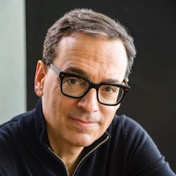
Andrew Huberman@huberman-protocolsweb
Structurer son travail intellectuel en blocs limités pour respecter les cycles naturels

what it claims

Structure your intellectual work into sessions of intense concentration with a maximum duration of 90 minutes, followed by periods of disconnection, in order to align with natural attentional cycles (ultradian rhythms).

mixed

This method is inspired by the Basic Rest-Activity Cycle (BRAC) proposed by researcher Nathaniel Kleitman (expert opinion), which posits that our fluctuations in alertness follow…


noli's read

This method is inspired by the Basic Rest-Activity Cycle (BRAC) proposed by researcher Nathaniel Kleitman (expert opinion), which posits that our fluctuations in alertness follow a rhythm of approximately 90 minutes. In terms of observational research, the famous work of psychologist K. Anders Ericsson on performance also demonstrates that experts rarely maintain a level of highly concentrated practice beyond 60 to 90 minutes. However, the application of such a strict biological rhythm throughout the day remains scientifically contested. An experimental study published by Neubauer and Freudenthaler in Biological Psychology did not detect a fixed 90-minute attention cycle, instead highlighting strong individual variations and external influences. Finally, the explanation that our messengers of motivation and concentration are depleted precisely at the 90th minute is a theoretical extrapolation without direct evidence in humans in real-world office settings. Structuring one's effort remains an excellent habit for mental energy, but the ideal duration varies for each person.

the sources

  1. 1NIH Office of Dietary Supplements 2026
  2. 2Manson JE et al. 2019
  3. 3Bhatt DL et al. 2019
  4. 4Khan SU, Lone AN, Khan MS, et al. 2021
  5. 5Liao Y, Xie B, Zhang H, et al. 2019
  6. 6hubermanprotocols.com (fan reference guide)

Claimed by Andrew Huberman. Noli grades the claim, never the person.

Decoded by Noli · July 13, 2026 · the original post

What the graded evidence says

Effect
CV events, high-risk patients on high-dose EPA (REDUCE-IT) — -25% relative (high-risk only)
Measured on
REDUCE-IT: 8,179 statin-treated high-risk patients

What’s uncertain

Strong for a specific medical use; modest for everyday wellness.

Others on this

Noli has read similar claims

Other advice in the Register that leans on the same research.

Noli, a firefly holding its lantern, at rest

Seen something like this? Send it to Noli.

Paste any health post from TikTok, Instagram, YouTube or X — or the advice itself, if someone just told you. About ten seconds, no account needed.