noli.

Register

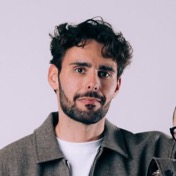
Shelby Harris, PsyD, DBSM@sleepdocshelbyInstagram

“I sleep only 4 hours every day, so I’m so used to it by now!” You probably know at least one person who

… more

what it claims

It is impossible to biologically adapt to chronic sleep deprivation; the impression of 'getting used to it' is merely a loss of the ability to assess one's own level of fatigue.

holds up

Shelby Harris's assertion is widely supported by chronobiology research. A pivotal study published in the journal 'Sleep' (Van Dongen et al., RCT) demonstrated that sleep-deprived…


noli's read

Shelby Harris's assertion is widely supported by chronobiology research. A pivotal study published in the journal 'Sleep' (Van Dongen et al., RCT) demonstrated that sleep-deprived subjects accumulate increasing cognitive deficits, even though they subjectively report not feeling 'more tired' after a few days. This phenomenon is explained by a decrease in objective alertness that is no longer correlated with the conscious perception of sleepiness. Meta-analyses consistently confirm that chronic deprivation impairs executive function, memory, and emotional regulation. The idea of biological adaptation to short sleep is therefore a documented cognitive illusion. The statement is precise, scientifically sound, and avoids exaggeration by focusing on the disconnect between perceived and actual performance.

the sources

  1. 1Depner CM, Melanson EL, Eckel RH, et al. 2019

Claimed by Shelby Harris, PsyD, DBSM. Noli grades the claim, never the person.

Decoded by Noli · July 18, 2026 · the original post

What the graded evidence says

Evidence
B
Effect
insulin sensitivity, energy intake, and body weight after weekday sleep restriction with vs without ad libitum weekend recovery sleep (crossover RCT) — weekend recovery sleep failed to prevent the drop in insulin sensitivity, after-dinner snacking, and weight gain seen with recurring insufficient sleep
Measured on
healthy adults in a controlled inpatient protocol (small sample)

What’s uncertain

This is one well-controlled but small mechanistic trial. It's strong evidence that catch-up sleep doesn't fully reverse metabolic effects, not proof about every long-term outcome. You can still partly recover alertness by sleeping in.

Shelby Harris, PsyD, DBSM in the Register48 claims graded · solidity 96/100See their record →

More from Shelby Harris, PsyD, DBSM

Others on this

Noli has read similar claims

Other advice in the Register that leans on the same research.

Noli, a firefly holding its lantern, at rest

Seen something like this? Send it to Noli.

Paste any health post from TikTok, Instagram, YouTube or X — or the advice itself, if someone just told you. About ten seconds, no account needed.