noli.

Register

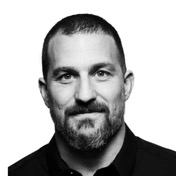
Andrew Huberman, Ph.D.@hubermanlabTikTok

Set your cortisol rhythm correctly: The key to having a lot of natural morning …more

original sound — @hubermanlab

what it claims

Expose yourself to bright light (from the sun or a 10,000 Lux lamp) within one hour of waking to stimulate the alertness hormone in the morning, which helps regulate your internal clock, maximize daytime energy, and facilitate falling asleep at night.

mixed

The concept of structuring one's daily rhythm through morning light is based on solid biological foundations. A clinical study (RCT) conducted by Leproult et al.

noli's read

The concept of structuring one's daily rhythm through morning light is based on solid biological foundations. A clinical study (RCT) conducted by Leproult et al. (2001) demonstrated that exposure to bright light upon waking leads to an immediate increase of more than 50% in the alertness hormone compared to dim light. Furthermore, a systematic review published in 2023 confirms that blue and bright morning light amplifies this natural alertness peak, which directly supports the feeling of energy and clarity during the day. As for the rapid synchronization of our internal clock in 3 to 4 days, data on jet lag and circadian adaptation confirm that this timeframe is realistic for observing an initial phase adjustment. Nevertheless, presenting light as a single switch is slightly exaggerated, as other factors such as diet or physical activity also modulate this rhythm according to chronobiology consensus. Finally, claiming that this simple habit directly guarantees better immunity in healthy adults remains an extrapolation that lacks direct and systematic clinical evidence to date.

the sources

  1. 1Blume C, Garbazza C, Spitschan M 2019
  2. 2Brown TM et al. 2022

Claimed by Andrew Huberman, Ph.D. Noli grades the claim, never the person.

Decoded by Noli · July 13, 2026 · the original post

What the graded evidence says

Evidence
A-
Effect
circadian phase / melatonin timing — morning light advances; evening light delays
Measured on
reviews + expert consensus

What’s uncertain

Core circadian physiology is very well established; specific lux targets less so.

Andrew Huberman, Ph.D. in the Register144 claims graded · solidity 82/100See their record →

More from Andrew Huberman, Ph.D.

Noli has read similar claims

Other advice in the Register that leans on the same research.

Noli, a firefly holding its lantern, at rest

Seen something like this? Send it to Noli.

Paste any health post from TikTok, Instagram, YouTube or X — or the advice itself, if someone just told you. About ten seconds, no account needed.