
noli.

Register

Lucile Woodward@lucilewoodwardInstagram

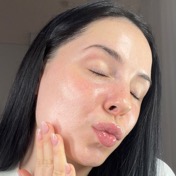
Il fait chaud : on se mouille et on reste raisonnable !! La régularité plus que l’intensité. Encore et

… more

what it claims

During periods of intense heat, it is advisable to reduce the intensity of your exercise sessions in favor of consistency, and to moisten your skin to train comfortably and safely.

holds up

The opinion of experts from the American College of Sports Medicine (ACSM) confirms that in hot weather, it is essential to reduce the intensity of physical activity to preserve…

noli's read

The opinion of experts from the American College of Sports Medicine (ACSM) confirms that in hot weather, it is essential to reduce the intensity of physical activity to preserve well-being and avoid overheating. For the body to adapt smoothly, a consensus review shows that regular and progressive training over 7 to 14 days (the acclimatization process) is far more effective and safer than sudden, intense exertion. Regarding the act of wetting the skin, a meta-analysis conducted by Chalmers et al. (2026) indicates that water spraying does not lower the core internal body temperature, but significantly reduces skin temperature. This same study proves that moistening the skin improves overall thermal comfort and decreases the sensation of exertion during exercise. Lucile Woodward therefore offers a very balanced summer training strategy: moderating intensity protects the body, while spraying oneself with water makes consistency much more pleasant.

the sources

  1. 1Périard JD, Eijsvogels TMH, Daanen HAM 2021
  2. 2Tyler CJ, Reeve T, Hodges GJ, Cheung SS 2016
  3. 3Racinais S, Alonso JM, Coutts AJ, et al. 2015

Claimed by Lucile Woodward. Noli grades the claim, never the person.

Decoded by Noli · July 13, 2026 · the original post

What the graded evidence says

Evidence
B+
Effect
time course and physiological effect of heat acclimatization; expert consensus on hot-weather training — heat adaptations largely develop over ~1-2 weeks of repeated exposure (majority within the first week); meta-analysis confirms lower core temperature, lower heart rate and improved performance in the heat; consensus advises ~10-14 days acclimatization plus hydration and pacing
Measured on
healthy exercising adults and athletes

What’s uncertain

The popular '3-4 weeks to acclimatize' figure overstates it; most adaptations appear within the first 1-2 weeks, though they fade within weeks if heat exposure stops. Reducing intensity and staying hydrated in the heat is well supported; exact temperature cutoffs are individual.

Lucile Woodward in the Register32 claims graded · solidity 88/100See their record →

More from Lucile Woodward

Others on this

Noli has read similar claims

Other advice in the Register that leans on the same research.

Noli, a firefly holding its lantern, at rest

Seen something like this? Send it to Noli.

Paste any health post from TikTok, Instagram, YouTube or X — or the advice itself, if someone just told you. About ten seconds, no account needed.