
noli.

Register

Juju Fitcats@jujufitcatsInstagram

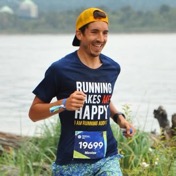
publicité @nu3_fr 😋 bienvenue dans une matinée d’été : avec les fortes chaleurs, je fais tout pour

… more

what it claims

It is not recommended to practice high-intensity sports when the temperature exceeds 30 °C, and it is preferable to train early in the morning during summer to avoid the heat.

holds up

This advice is particularly sound and aligns perfectly with benchmark recommendations in movement science.


noli's read

This advice is particularly sound and aligns perfectly with benchmark recommendations in movement science. According to the American College of Sports Medicine (ACSM - expert consensus) guidelines, scheduling sessions early in the morning is ideal for limiting body overheating, as ambient temperatures and solar radiation are at their lowest. Sports Medicine Australia guidelines (expert opinion) also confirm that above 30 °C, the risk of extreme heat-related fatigue increases drastically during intense exertion. Physiology research (mechanistic evidence) specifies, however, that ambient humidity is just as crucial, as it directly influences the body's ability to regulate its temperature through the evaporation of sweat. Reducing intensity and hydrating regularly therefore remain scientifically validated practices for exercising safely during the summer.
the sources

  1. 1Périard JD, Eijsvogels TMH, Daanen HAM 2021
  2. 2Tyler CJ, Reeve T, Hodges GJ, Cheung SS 2016
  3. 3Racinais S, Alonso JM, Coutts AJ, et al. 2015

Claimed by Juju Fitcats. Noli grades the claim, never the person.

Decoded by Noli · July 13, 2026 · the original post

What the graded evidence says

Evidence
B+
Effect
time course and physiological effect of heat acclimatization; expert consensus on hot-weather training — heat adaptations largely develop over ~1-2 weeks of repeated exposure (majority within the first week); meta-analysis confirms lower core temperature, lower heart rate and improved performance in the heat; consensus advises ~10-14 days acclimatization plus hydration and pacing
Measured on
healthy exercising adults and athletes

What’s uncertain

The popular '3-4 weeks to acclimatize' figure overstates it; most adaptations appear within the first 1-2 weeks, though they fade within weeks if heat exposure stops. Reducing intensity and staying hydrated in the heat is well supported; exact temperature cutoffs are individual.

Juju Fitcats in the Register18 claims graded · solidity 84/100See their record →

More from Juju Fitcats

Noli has read similar claims

Other advice in the Register that leans on the same research.

Noli, a firefly holding its lantern, at rest

Seen something like this? Send it to Noli.

Paste any health post from TikTok, Instagram, YouTube or X — or the advice itself, if someone just told you. About ten seconds, no account needed.