The full read
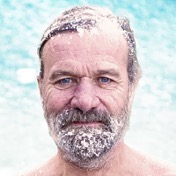
There is a real, peer-reviewed study behind the method: Kox et al. 2014 in PNAS trained 12 volunteers for 10 days (meditation + cold exposure + this breathing pattern) then injected them with a bacterial endotoxin — the trained group had fewer flu-like symptoms and a dampened inflammatory response (higher IL-10, lower TNF-α/IL-6/IL-8) than 12 untrained controls. But that's 12 trained people, three interventions bundled together so breathing's own contribution can't be isolated, and the authors themselves call the findings preliminary. The caption's line that 'scientists are working to prove the techniques work' is honestly phrased (research is ongoing) but still implies a validation that doesn't fully exist yet. The bigger issue is elsewhere: voluntary hyperventilation followed by breath-holding drops CO2 without adding usable oxygen, which delays the urge to breathe without delaying the point where you actually pass out — in water, that has caused documented drownings (a 2022 Singapore coroner's ruling, and journalist Scott Carney's tally of dozens of deaths tied to the method). The video's safety line isn't generic caution — it's the best-supported claim in the whole post. Verdict: mixed — the anti-inflammatory effect has a real publication behind it but stays preliminary and unisolated, while the drowning risk is solidly documented.
mixedthe post