
noli.

Register

Andrew Huberman, Ph.D.@hubermanlabInstagram

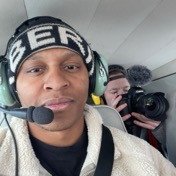
THE ONE HEALTH PROTOCOL THAT MAKES ALL THE REST FAR EASIER: SPIKE YOUR CORTISOL IN THE 1ST HOUR OF YOUR DAY •

… more

what it claims

Deliberately spike your cortisol in the first hour after waking — mainly through morning light — for lower evening cortisol, better sleep, a healthy metabolism, sharper focus, better stress control, a boosted capacity to learn, and even longevity.

mixed

The base mechanism is real: the cortisol awakening response (CAR) is well described, and morning bright light amplifies it by roughly 35-50% across several controlled studies…

noli's read

The base mechanism is real: the cortisol awakening response (CAR) is well described, and morning bright light amplifies it by roughly 35-50% across several controlled studies (Leproult et al.; Scheer & Buijs). The bigger issue is the bundle of benefits pinned on this single lever — metabolism, focus, sleep, stress control, learning, and even longevity — presented as a guaranteed package from one morning action, when each of those outcomes comes from separate studies and mechanisms rarely tested together with this exact protocol. The same caveats from the earlier version of this advice apply to caffeine and cold: tolerance to caffeine in a regular drinker is partial, not complete (Lovallo et al.), and cold exposure raises cortisol acutely before fading with weeks of repetition — it isn't simply "no, it doesn't raise it." The reasoning "spike it in the morning and everything else gets easier" simplifies a biology where morning light has a real but more modest and narrower effect than the message implies. Verdict: mixed — a genuine circadian lever, wrapped in a benefits list too broad for what one action can explain.

the sources

  1. 1Buijze GA et al. 2016
  2. 2Sramek P, Simeckova M, Jansky L, et al. 2000
  3. 3Kelly JS, Bird E. 2021

Claimed by Andrew Huberman, Ph.D. Noli grades the claim, never the person.

Decoded by Noli · August 3, 2026 · the original post

What the graded evidence says

Evidence
D

Linked to, not proven to cause.

Effect
acute plasma catecholamine change with cold-water immersion; self-reported mood after a single immersion — large acute catecholamine rise (noradrenaline; dopamine ~+250% in one small study of 14°C immersion); short-term self-reported mood improvement in small samples
Measured on
healthy adults; small and often self-selected samples

What’s uncertain

Evidence is minimal: small studies, short follow-up, and headline numbers (like dopamine +250%) resting on a single small study. Effects on lasting mood or resilience are not established.

Andrew Huberman, Ph.D. in the Register144 claims graded · solidity 82/100See their record →

More from Andrew Huberman, Ph.D.

Others on this

Noli has read similar claims

Other advice in the Register that leans on the same research.

Noli, a firefly holding its lantern, at rest

Seen something like this? Send it to Noli.

Paste any health post from TikTok, Instagram, YouTube or X — or the advice itself, if someone just told you. About ten seconds, no account needed.