noli.

Register

Running Addict@runningaddictTikTok

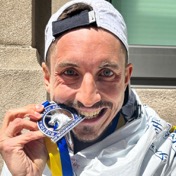
Glace, sac de petits pois surgelés ou fromage frais : on a tous entendu que le froid …more

original sound — @runningaddict

what it claims

Applying cold (ice or otherwise) to an injury is counterproductive in the long term because it slows down the body's natural regeneration and healing processes.

mixed

The creator points to a significant shift in sports injury management, moving away from the traditional RICE (Rest, Ice, Compression, Elevation) protocol.

noli's read

The creator points to a significant shift in sports injury management, moving away from the traditional RICE (Rest, Ice, Compression, Elevation) protocol. Current research, notably the work from La Clinique du Coureur mentioned, supports the idea that while cold is effective for reducing the immediate perception of pain (analgesic effect), it may indeed hinder the inflammatory response necessary for tissue repair (Meta-analysis, British Journal of Sports Medicine). Initial inflammation is a crucial biological signal to trigger the healing process. Nevertheless, stating that cold is "worse" or "prevents" healing is a strong interpretation: it is more a nuance regarding recovery optimization. It is true that the systematic use of ice is currently being questioned for minor muscle injuries, as it could limit beneficial adaptation to mechanical stress. The statement is generally aligned with modern recommendations, although the term "slows healing" is a simplification of a complex biological mechanism.

the sources

  1. 1Roberts LA, Raastad T, Markworth JF, et al. 2015
  2. 2Petersen AC, Fyfe JJ 2021

Claimed by Running Addict. Noli grades the claim, never the person.

Decoded by Noli · July 18, 2026 · the original post

What the graded evidence says

Evidence
B
Effect
muscle mass and strength gains, cold water immersion vs active recovery after 12 weeks of strength training — active recovery gained more strength and muscle (p<0.05); type II fibre CSA +17% and myonuclei +26% in active-recovery group; anabolic signaling blunted up to 2 days post-exercise
Measured on
physically active men (RCT n=21); mechanisms reviewed more broadly

What’s uncertain

The strongest trial is small and in men; effects on endurance adaptations differ. This concerns muscle and strength gains specifically, not the general recovery or mood reasons people enjoy cold exposure.

Running Addict in the Register102 claims graded · solidity 95/100See their record →

More from Running Addict

Noli has read similar claims

Other advice in the Register that leans on the same research.

Noli, a firefly holding its lantern, at rest

Seen something like this? Send it to Noli.

Paste any health post from TikTok, Instagram, YouTube or X — or the advice itself, if someone just told you. About ten seconds, no account needed.